Meet the dreamers
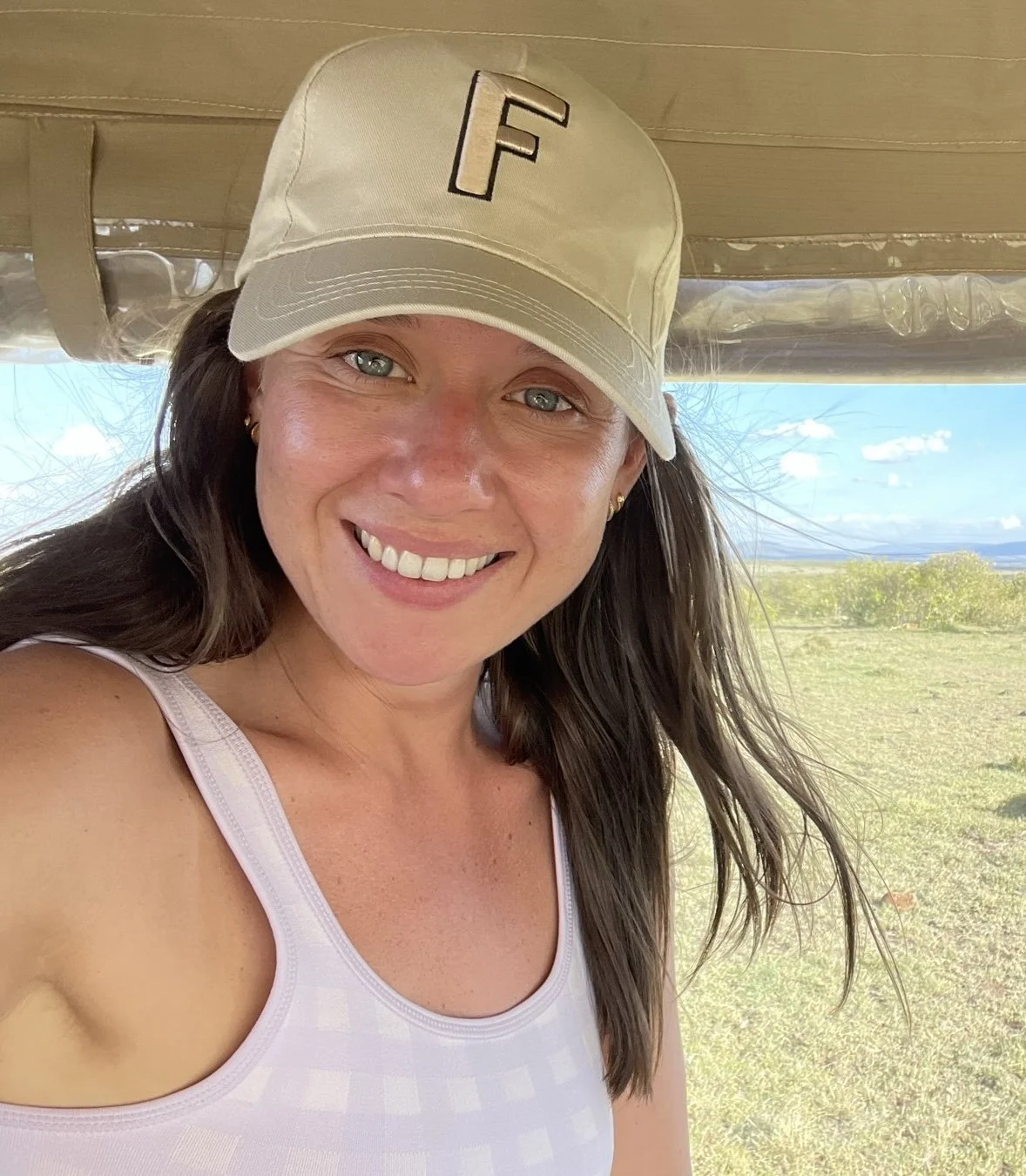
Why did you start Read to Dream?
I’ve talked about opening a library for nearly a decade. I used to dream of it being solar-powered and filled with e-readers. I knew how much reading fiction had inspired and changed me, and wanted everyone to have the same opportunity, regardless of where they lived.
After moving to Uganda in 2018, and later becoming involved in teacher training, I saw firsthand that most schools had no libraries. I realised that before e-readers, simply having books on shelves could be life-changing.
Getting children to read for pleasure, i.e. choosing to read simply because they want to, is one of the most powerful ways to support their development, wellbeing, and future success.
Who first encouraged your love of reading?
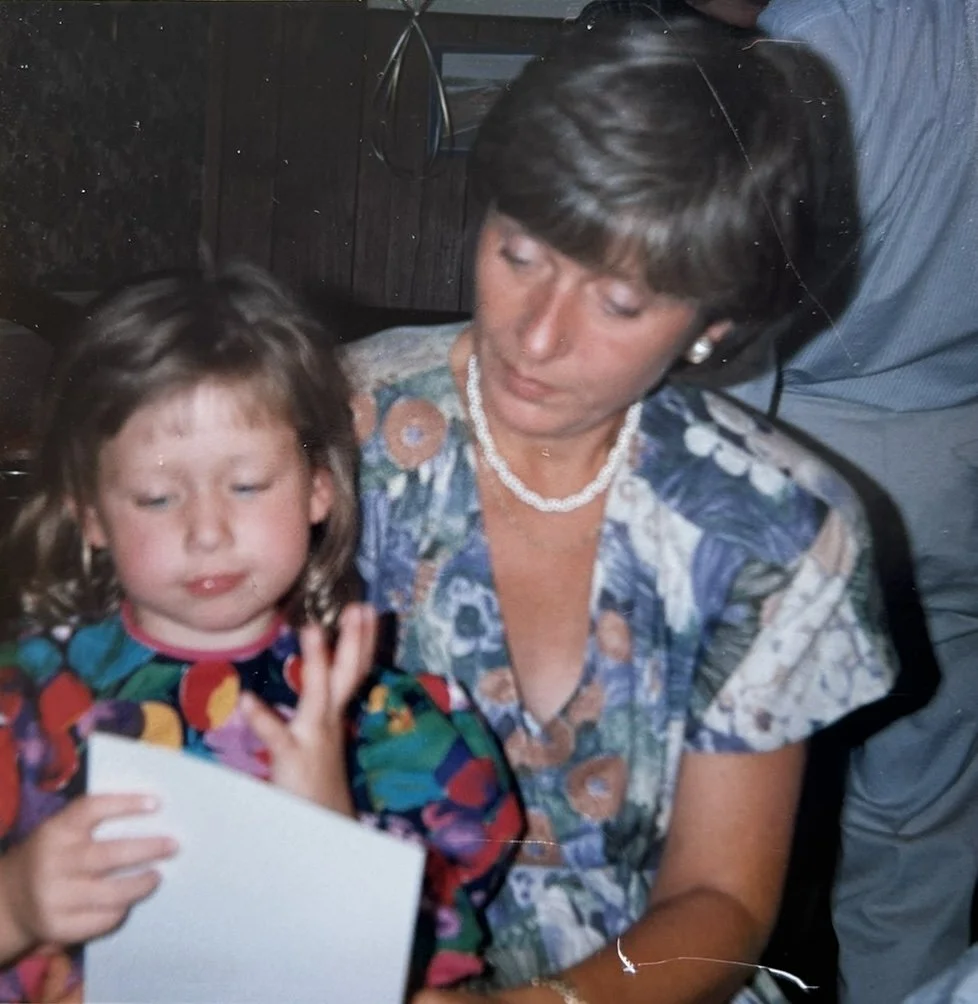
I grew up in a family of readers. To this day, both my parents keep a book on their bedside tables. My mum regularly took me to the library next to my primary school. I remember eagerly signing up for the Summer Reading Challenge, which meant reading a book a week during the holidays.
I was also lucky to have an incredibly inspiring English teacher. Mr Down would jump on tables to read us poetry. As a teenager, he cemented my love of literature.
What was your favourite book as a child and why?
One of my favourites was Ruff by Jane Hissey. My dad would read it and give different voices to each of the characters. Ruff the dog had a gruff but warm voice that remains my favourite to this day.
I also loved The Happiest Woodlouse by Dick King-Smith, about Walter, a timid woodlouse overcoming his fears to find love. And as a teenager, I was captivated by Jacqueline Wilson and her endless stories about different ways of living. For a long time, my most prized possession was a signed copy of The Illustrated Mum.
What’s one book that’s shaped the way you think about the world and your place in it?
When Breath Becomes Air by Paul Kalanithi made me think deeply about how I want to spend my time, and it was probably part of why I left my banking job in London.
I finished it on the Tube to Canary Wharf and had to hide my tears from the other commuters. Paul’s memoir reflects on how he’d felt torn between choosing a life dedicated to literature or medicine. He wanted to write, but felt he could contribute more to the world through something practical like medicine.
It’s a beautiful and vulnerable reflection on what gives life meaning, and made me consider how I would live if my future wasn’t guaranteed.
What do you hope to achieve through Read to Dream?
I want to change children’s lives, which is a big dream. I feel strongly that where you live shouldn’t be a limiting factor on what you can achieve—or on the books you can read.
It will take more than storybooks to transform outcomes for children in Uganda. But by encouraging children to engage with a world bigger than their own, I hope we can inspire excitement, confidence, and possibility.
I want children to dream bigger and more audaciously because they’ve read stories that gave them new ideas. I want them to #readitpossible.
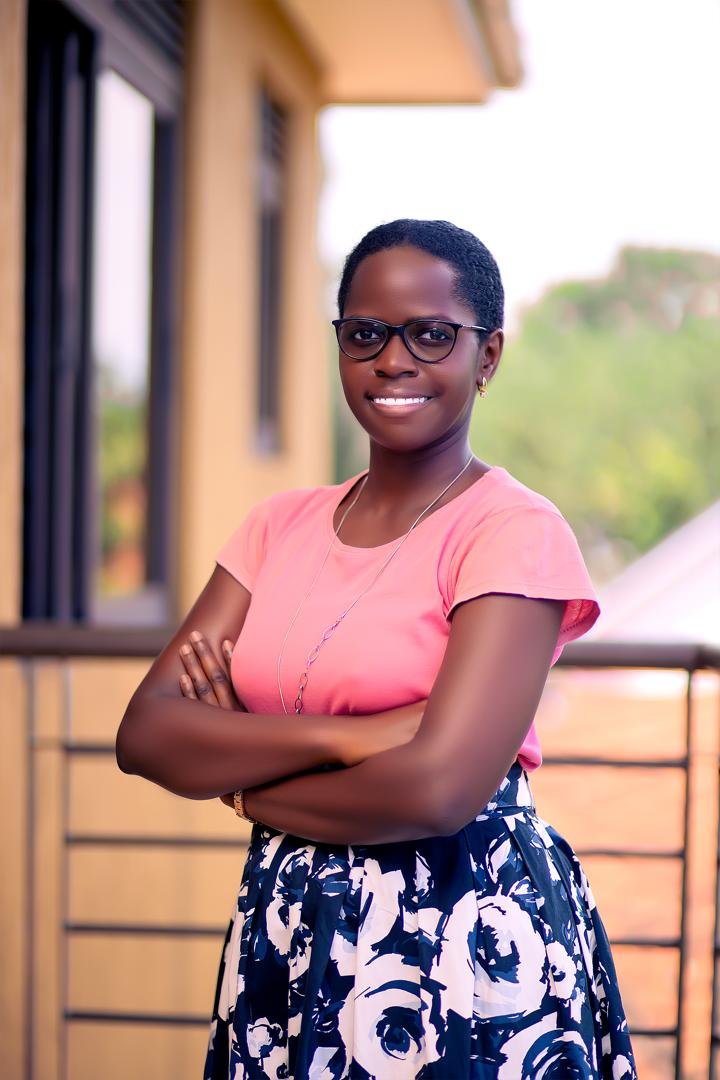
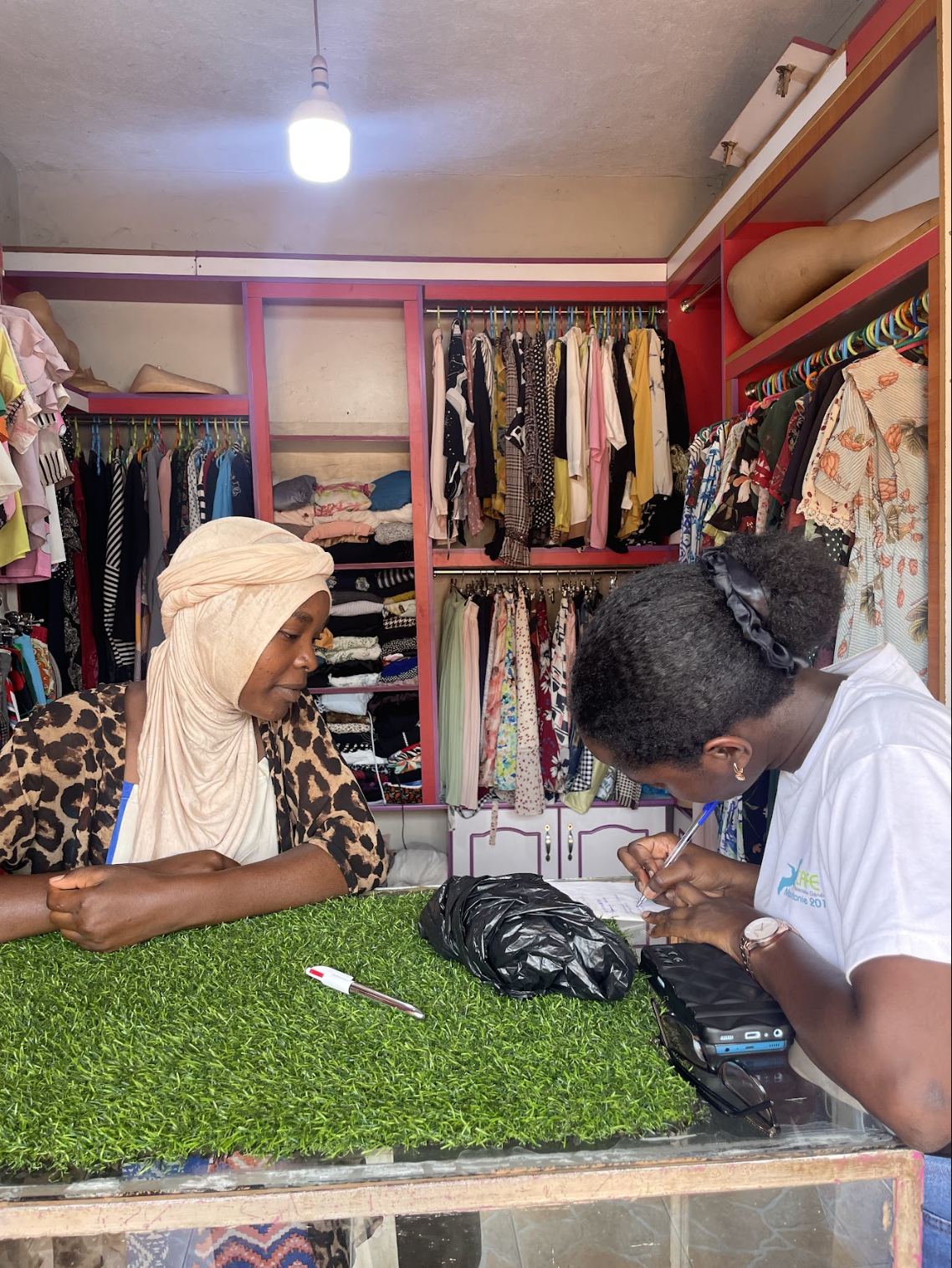
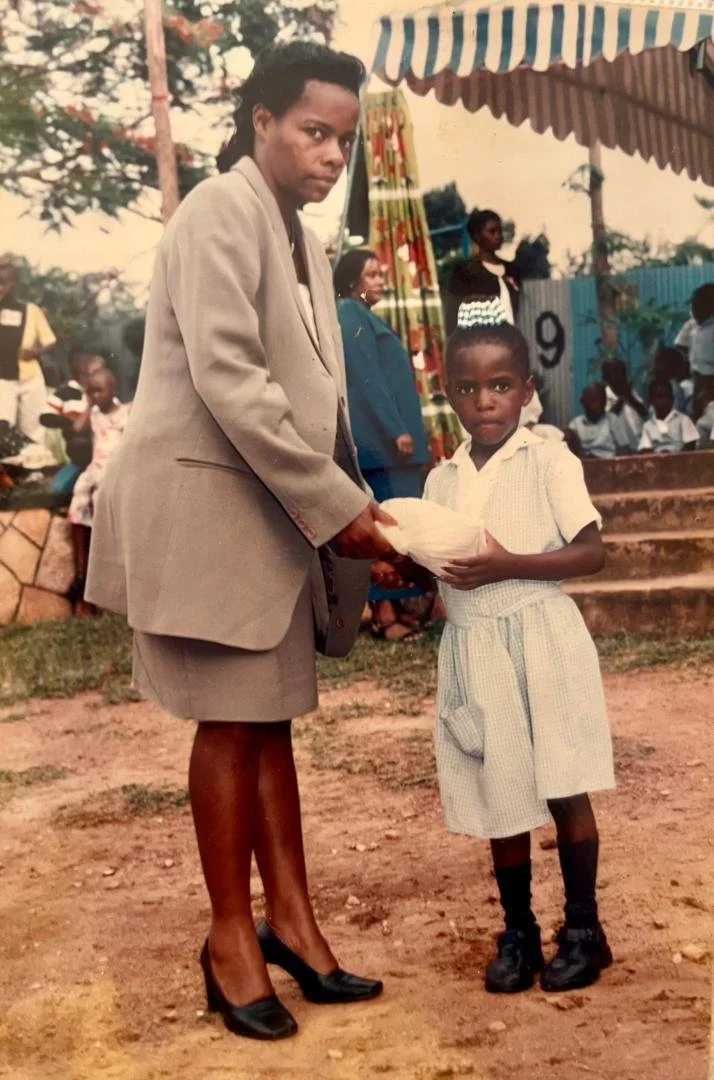
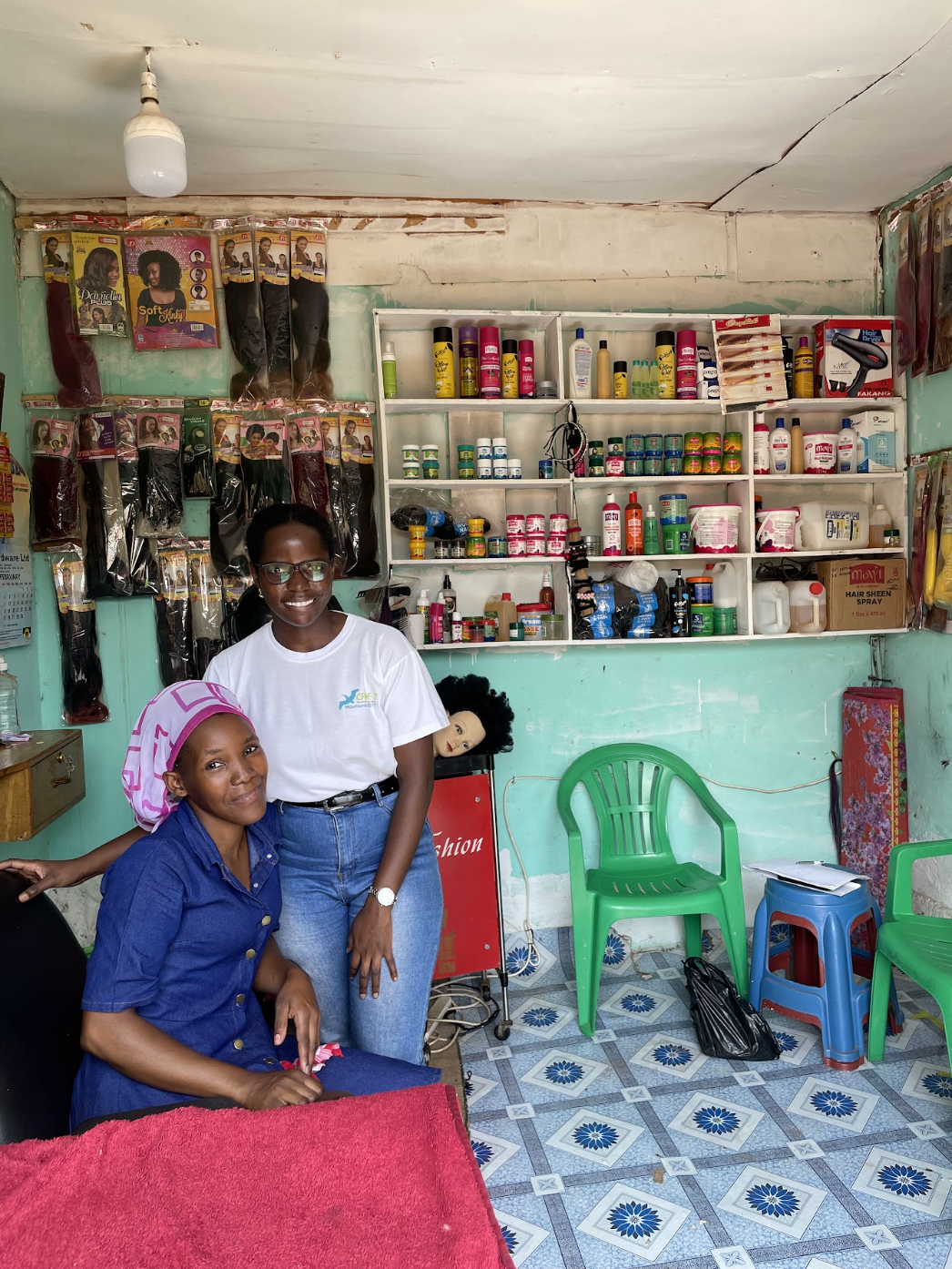
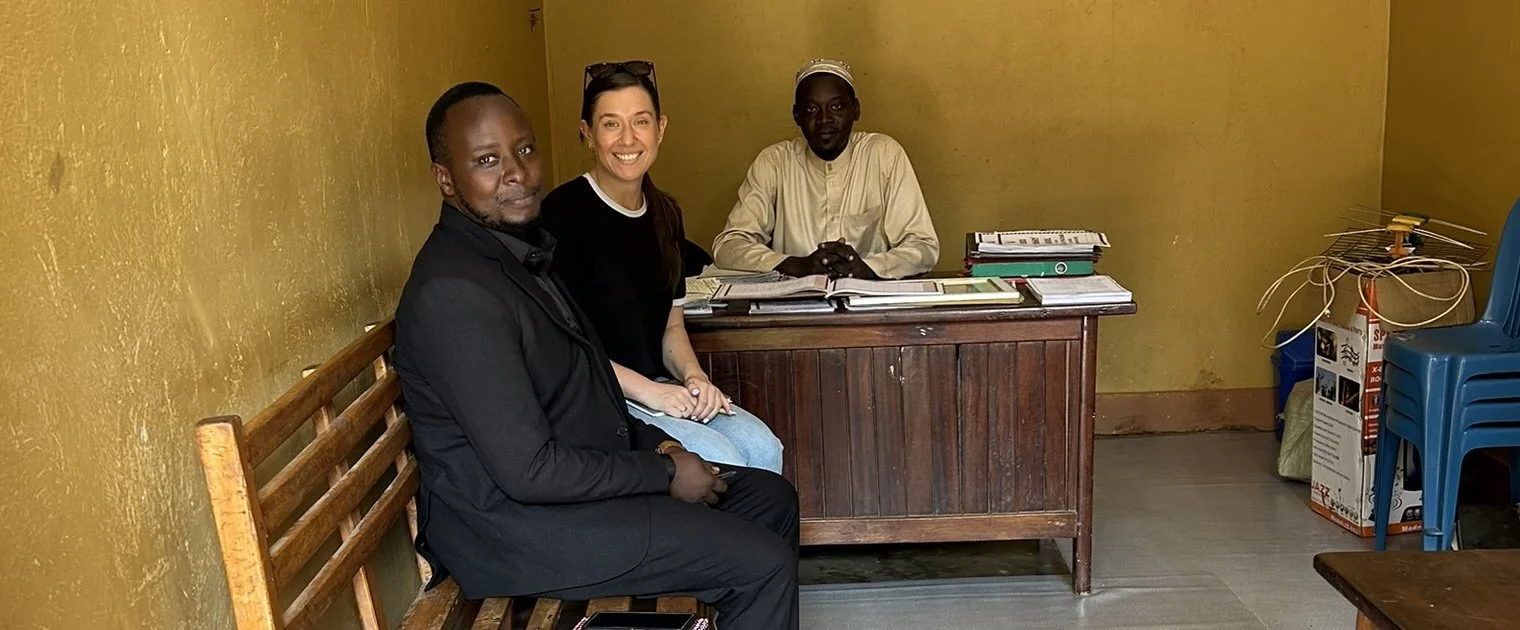
Over a work lunch, Caroline and Bridget realised they shared the same dream: to open school libraries.
Why did you get involved with founding Read to Dream?
I have been passionate about books since I was in primary school. Books have had a profound impact on how I think, and my perspective on the world.
This passion for books was shaped by my primary school prioritising reading and summaries - so much so that the number of books read was added to our report cards. I believe this level of intentionality should exist within all schools, as they set an important foundation for how children view the world. And even solve their own future personal problems - through reading.
Who first encouraged your love of reading?
It was my mom. She bought me storybooks as my birthday gifts growing up. She also let me access her personal library as my passion for reading kept growing. I truly appreciate her for this.
What was your favourite book as a child and why?
My favourite book as a child was Cinderella’. Of all the fairytales I read, I loved its storyline the most. Most importantly, it taught me a lot about treating people well -that is; acting differently from those evil step sisters! 😅
What’s one book or story that’s shaped the way you think about the world and your place in it?
Honestly, there are many books that have done this because my reading is quite broad - from personal financial management, emotional growth, career and personal development.
Since personal development is very important to me, and influences how we show up in every aspect of our lives, the book that shaped me the most in this area is The Untethered Soul by Micheal Alan Singer.
This book taught me how to calm my inner world, allow any form of resistance to flow through my system, and return to a place of rest.
What do you hope to achieve through Read to Dream?
Definitely sharing my passion for books with the world through a project that is bigger than myself.
Through Read to Dream, I want children to experience the same joy, comfort, and growth that reading gave me.
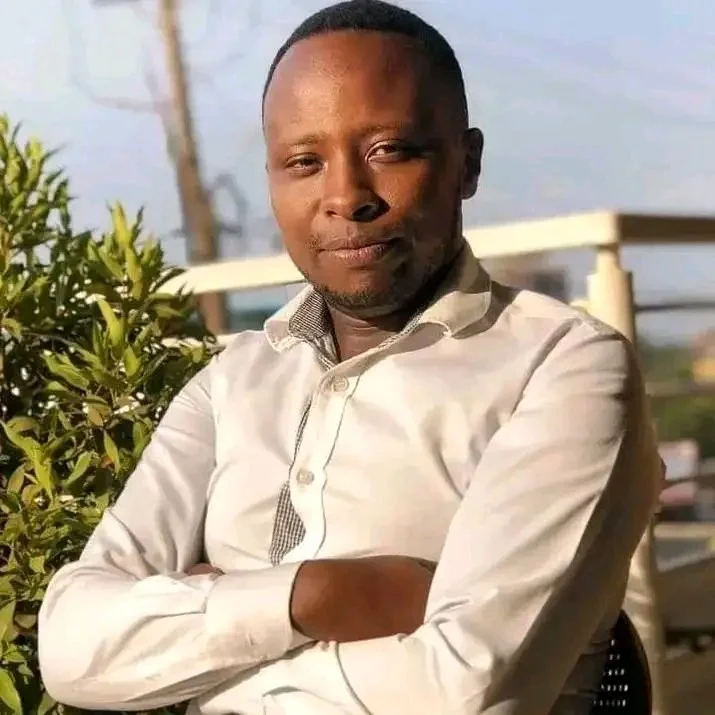
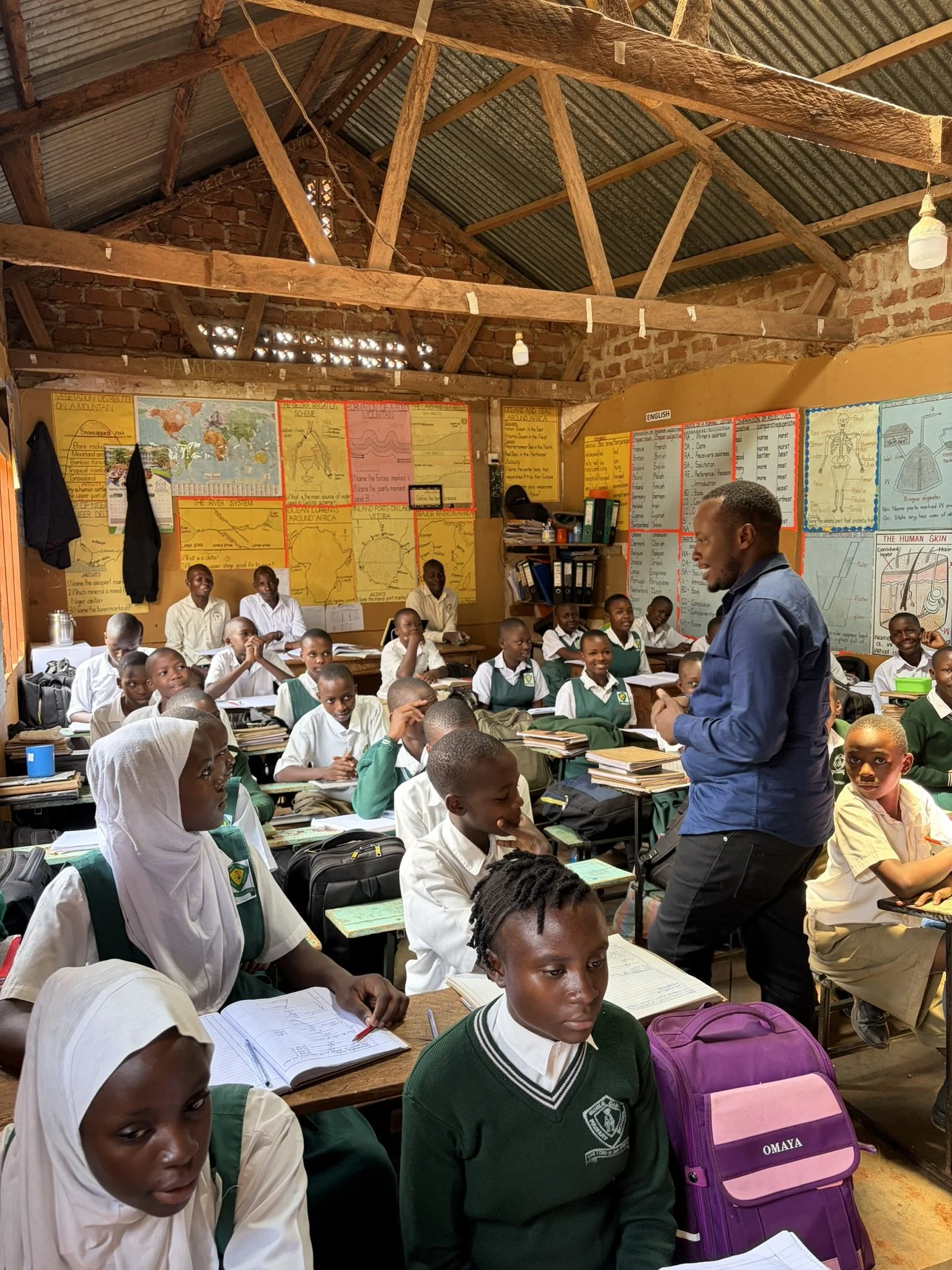
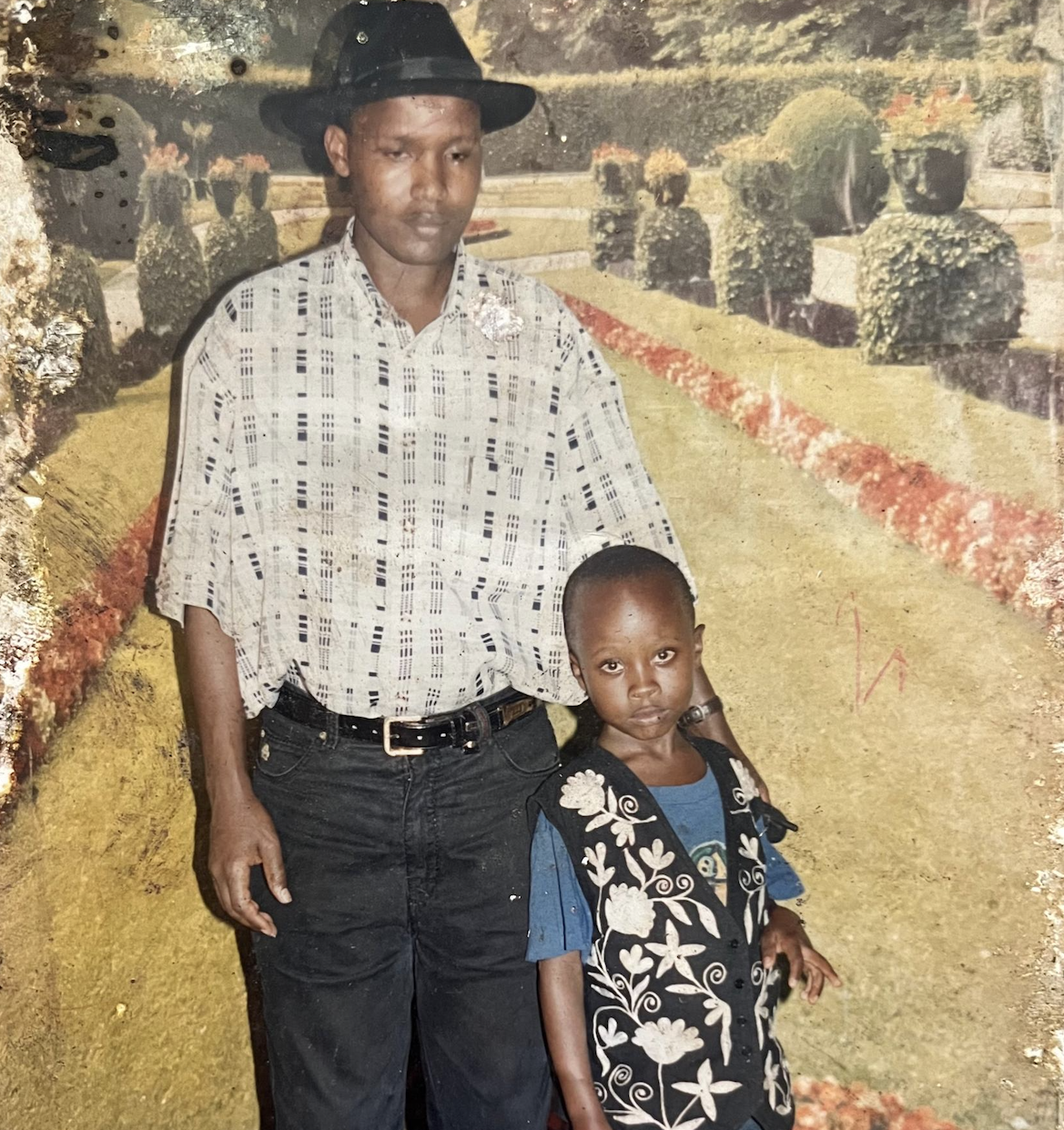
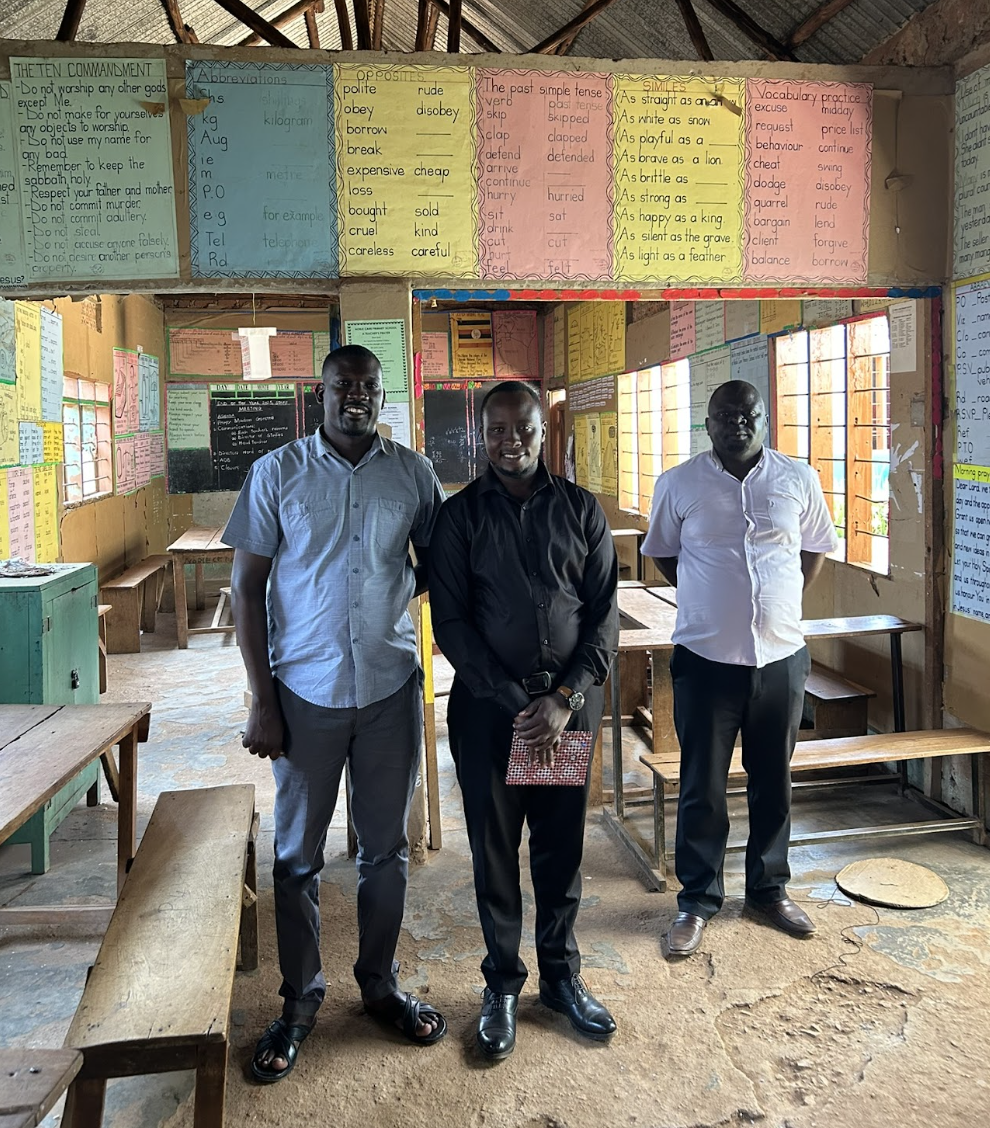
Hearing about Read to Dream from his wife Bridget, Julius — a passionate, experienced advocate for improving education in Uganda — jumped at the chance to get involved.
Why did you get involved with founding Read to Dream?
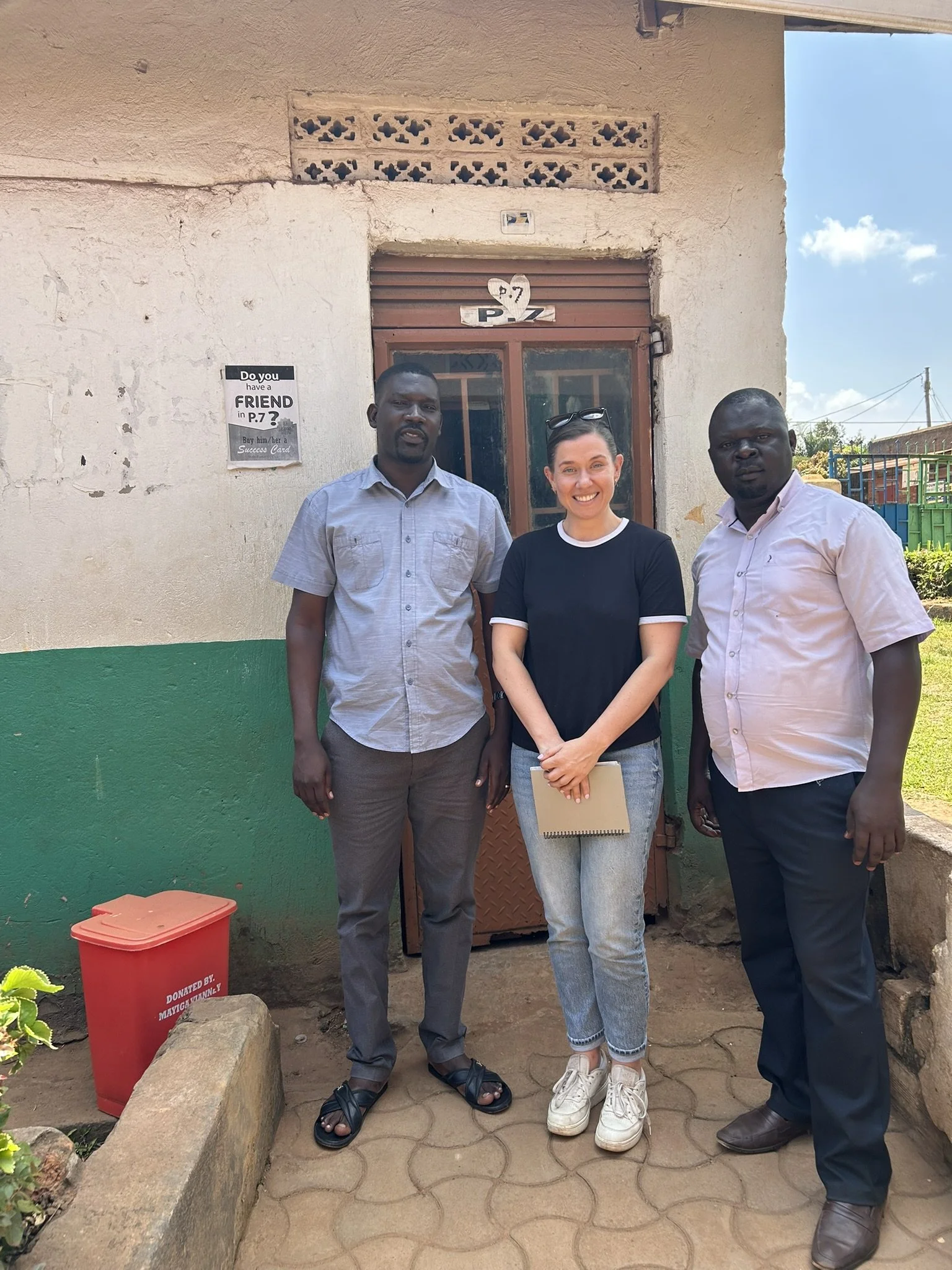
My post-university placement, serving in hard-to-reach communities and teaching literacy and numeracy was a turning point. I witnessed firsthand the eagerness of children to read, contrasted with the reality of schools lacking libraries and learning materials.
When my wife Bridget introduced me to the idea behind Read to Dream, it resonated immediately with my calling as a community educator. I saw an opportunity to build a platform that bridges this resource gap, and empowers children through access to books, nurturing both literacy and lifelong opportunity.
Who first encouraged your love of reading?
My uncle encouraged my love of reading when I was in primary school. He had me read him the newspaper aloud and recount the TV news each evening. He also bought me storybooks. Living in a closed neighbourhood, reading quickly became my favourite hobby.
What was your favourite book as a child and why?
Hare and the Hyena was my favourite book as a child. My uncle would read it to me and make different voices for all the characters. The hyena in particular would have a slow, grumbling voice that brought the story to life, while the hare was quick and cheeky.
I also loved that it was about the hare — small and overlooked — outsmarting the powerful hyena with wit. I think it taught me that you don’t need size or strength to overcome challenges, cleverness and courage matter more. Growing up in a closed neighbourhood with few books, that lesson stuck.
What’s one book or story that’s shaped the way you think about the world and your place in it?
Things Fall Apart by Chinua Achebe greatly shaped the way I think about the world. I first read it in secondary school, and I remember how Okonkwo’s world cracked when new systems arrived without explanation or tools to adapt.
The book taught me that change in society is inevitable, and the earlier people accepted that the better. Unlike Mr.Okonkwo who lived in past glory and was slow to accept modern trends in the way he lived .
Having lived and worked in rural communities in Uganda, I have met many parents and elders very reluctant in supporting their children attain a basic education. Some wouldn’t provide basic school supplies like books, pencils or pens, among other needs, because they didn’t believe education mattered, reflecting on their own experiences where they relied on nature for survival, forgetting times have changed.
It is my life journey to change such a mindset and teach them education is the way to go. Through Read to Dream I have conviction I can make that change.
What do you hope to achieve through Read to Dream?
I hope to give every child a chance at a better future through reading. At Read to Dream, we do that by equipping school libraries so every child in Uganda can access books.
I believe reading gives children without privilege a way to imagine the life they want. It fuels their ideals, motivates them to become better, and shows them a world bigger than their circumstances. When a child can see themselves in a story, they start believing they belong in the future.